A comparative atlas of philosophy
The great philosophers, side by side.
One set of questions about knowledge, being and value — answered by each thinker, with the passage behind every answer.
- philosophers
- 22
- shared questions
- 20
- primary texts
- 35
- centuries
- 25
Passage of the day
“…we ought not even to requite wrong with wrong…”
By century
All philosophers- 5th c. BCE
- 4th c. BCE
- 3rd c.
- 4th c.
- 10th c.
- 11th c.
- 12th c.
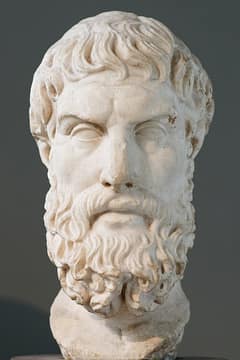
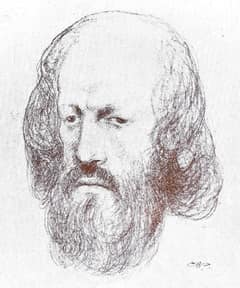
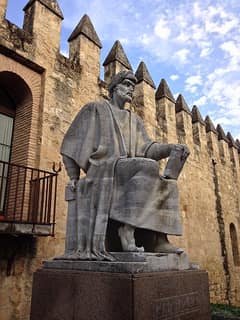
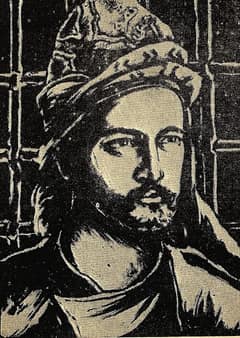
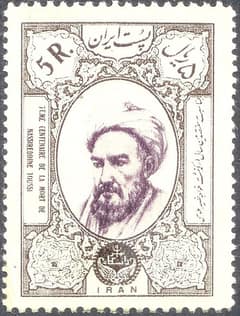
Plato and Aristotle
Compare all 20 questionsEpistemologyFrom what sources and by what ways is knowledge gained?PlatoReason aloneAristotleExperience, completed by intellectMetaphysicsWhat is the nature and ontological standing of universals?PlatoRealism before thingsAristotleModerate realismMetaphysicsHow is the relation of soul or mind to body explained?PlatoSeparable soulAristotleHylomorphismAxiologyWhat is the highest good, the end worth pursuing in a human life?PlatoFlourishing through virtueAristotleFlourishing through virtue
Entries
All entries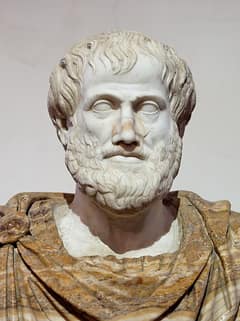
Follow a lineage
Open the network