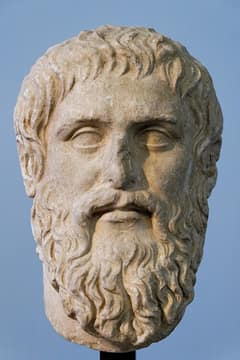
Other people are likely not to be aware that those who pursue philosophy aright study nothing but dying and being dead. Now if this is true, it would be absurd to be eager for nothing but this all their lives, and then to be troubled when that came for which they had all along been eagerly practicing.
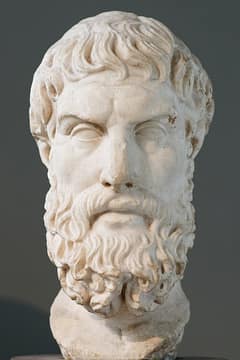
Accustom thyself to believe that death is nothing to us, for good and evil imply sentience, and death is the privation of all sentience; therefore a right understanding that death is nothing to us makes the mortality of life enjoyable, not by adding to life an illimitable time, but by taking away the yearning after immortality.
Both passages say the wise have no reason to fear death, for opposite reasons. In the Phaedo death is the soul's release from the body, which philosophy rehearses and which brings the philosopher what he has sought; for Epicurus death ends all sensation, so no one is left for it to harm. The pairing is Hekmat's: the letter does not name Plato, and nothing in these texts makes it a reply to him.