…people think that, while a man often has knowledge in him, he is not governed by it, but by something else—now by passion, now by pleasure, now by pain, at times by love, and often by fear; their feeling about knowledge is just what they have about a slave, that it may be dragged about by any other force. Now do you agree with this view of it, or do you consider that knowledge is something noble and able to govern man, and that whoever learns what is good and what is bad will never be swayed by anything to act otherwise than as knowledge bids, and that intelligence is a sufficient succor for mankind?
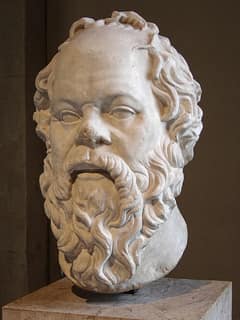
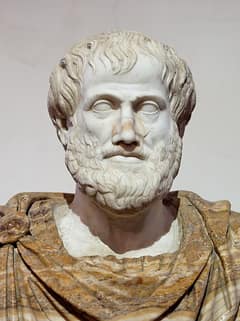
How can a man fail in self-restraint when believing correctly that what he does is wrong? Some people say that he cannot do so when he knows the act to be wrong; since, as Socrates held, it would be strange if, when a man possessed Knowledge, some other thing should overpower it, and “drag it about like a slave.” In fact Socrates used to combat the view altogether, implying that there is no such thing as Unrestraint, since no one, he held, acts contrary to what is best, believing what he does to be bad, but only through ignorance. Now this theory is manifestly at variance with plain facts; and we ought to investigate the state of mind in question more closely.
Socrates, with Protagoras agreeing, rejects the common view that pleasure, fear or love can overpower knowledge; what people call being overcome is ignorance. Aristotle names Socrates, takes over his image of knowledge dragged about like a slave, and says the denial conflicts with what plainly happens. His own answer separates knowledge one has from knowledge one is using, and ends by granting that what passion overcomes is not knowledge in the full sense, so that Socrates was in part right.